Anti Static Masterbatch for Static Charge Control in Plastic Applications
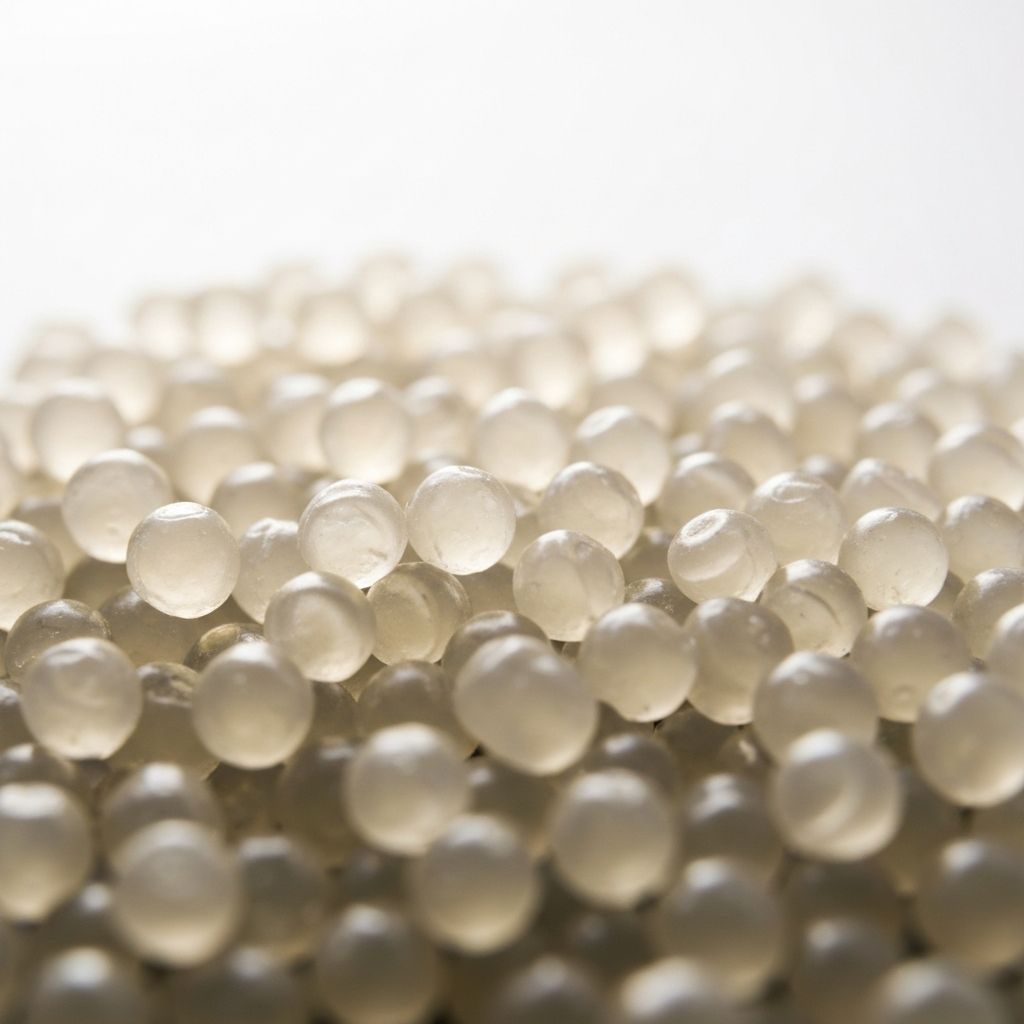
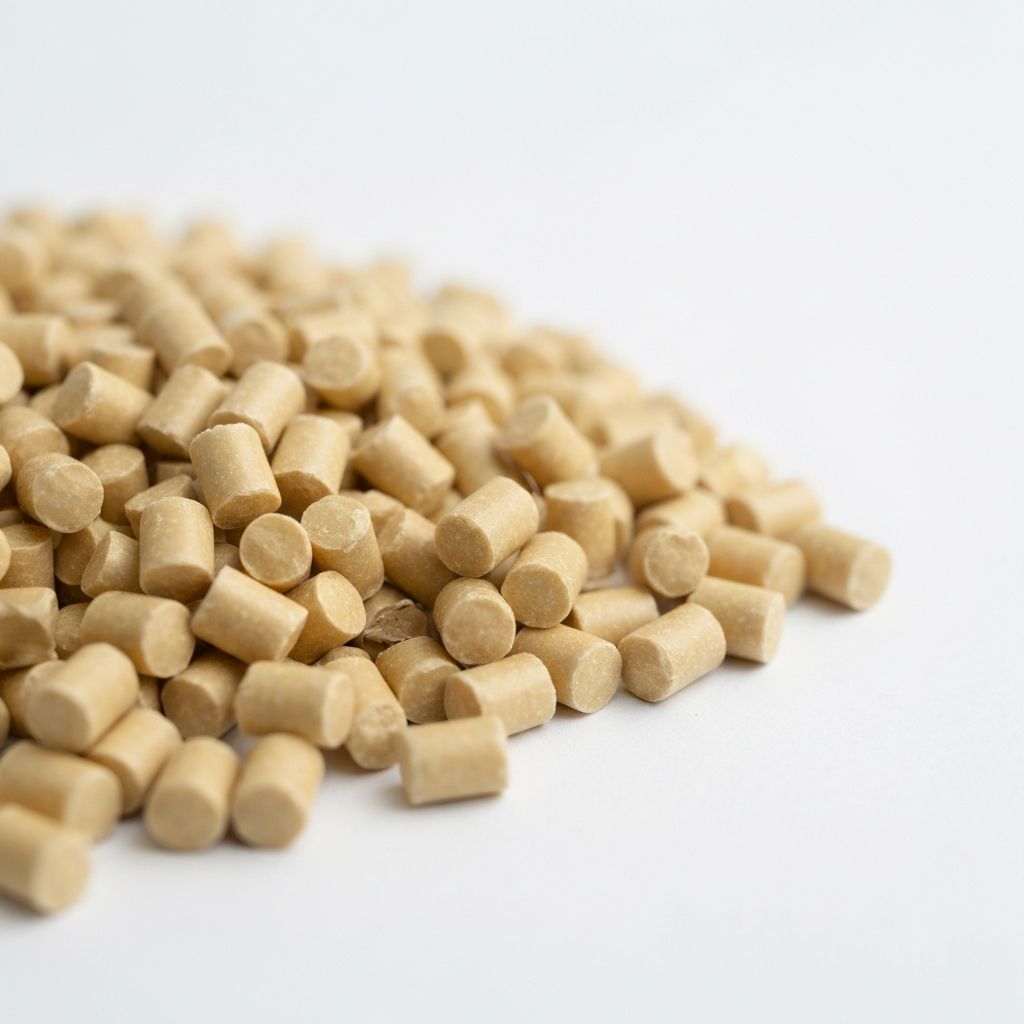
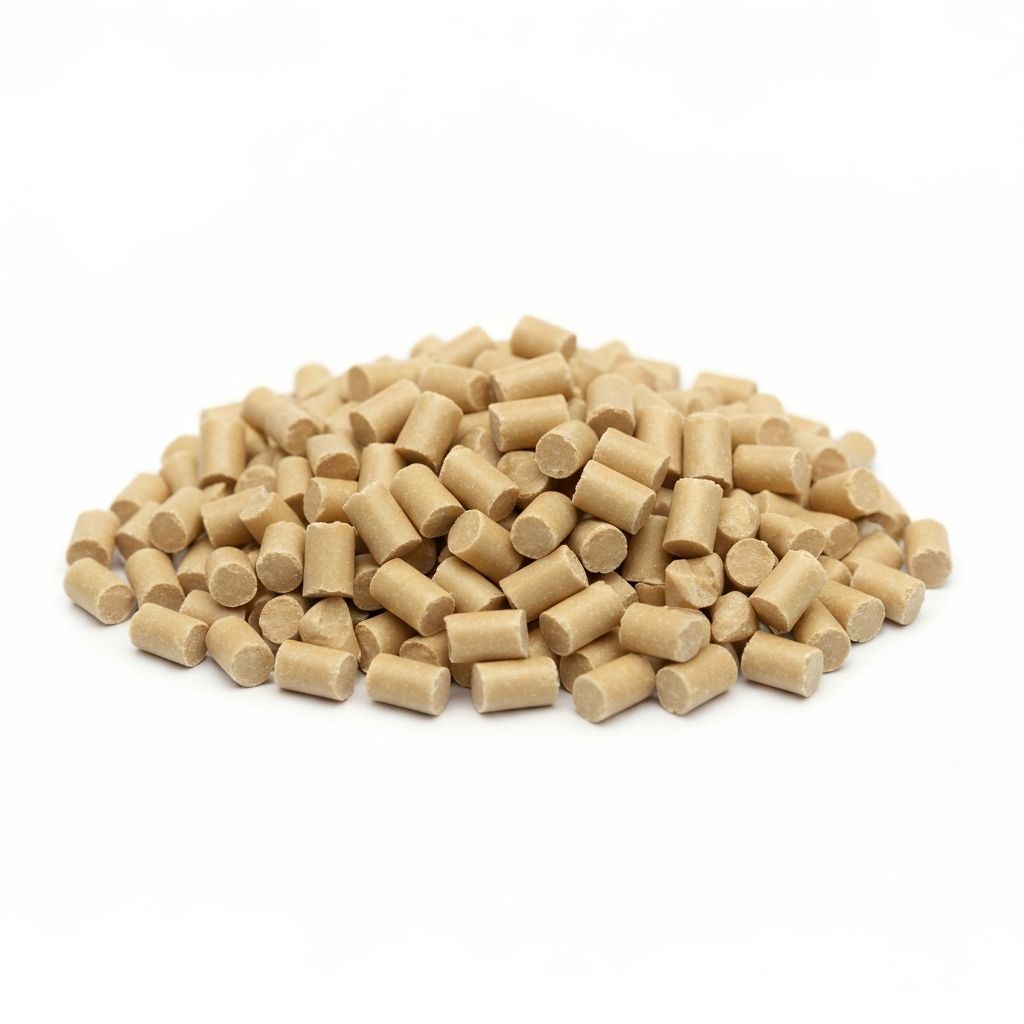
Anti Static Masterbatch is a functional additive designed to control and reduce the buildup of electrostatic charges on polymer surfaces. Plastics such as PP, PE, and PVC are naturally insulating materials and tend to accumulate static electricity during processing and end-use.
Static buildup can lead to dust attraction, electric discharge, product sticking, safety risks, and operational inefficiencies. Our Anti Static Masterbatch provides controlled dissipation of static charge, improving product performance and safety.
Anti static additives work by migrating to the polymer surface and absorbing moisture from the air. This creates a conductive pathway that allows static charges to dissipate gradually, preventing accumulation.
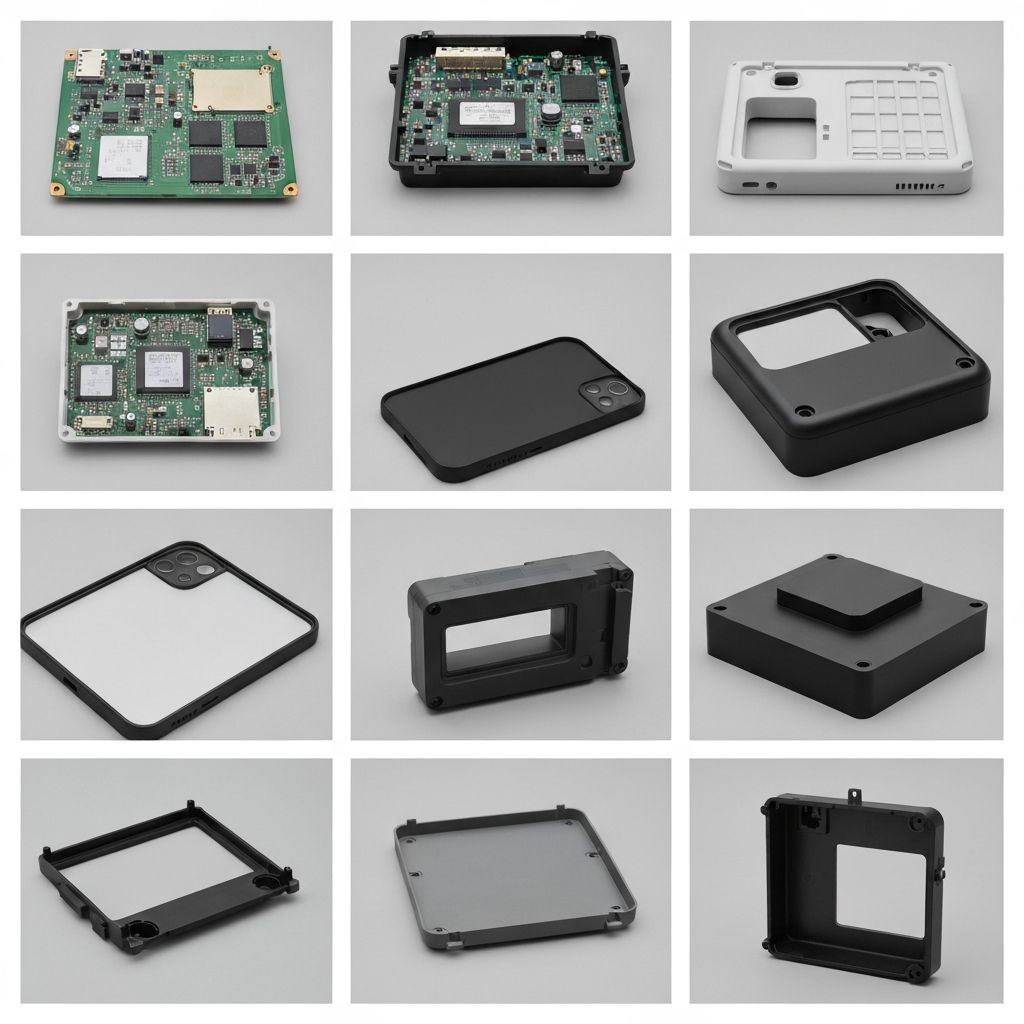
Electrical Components
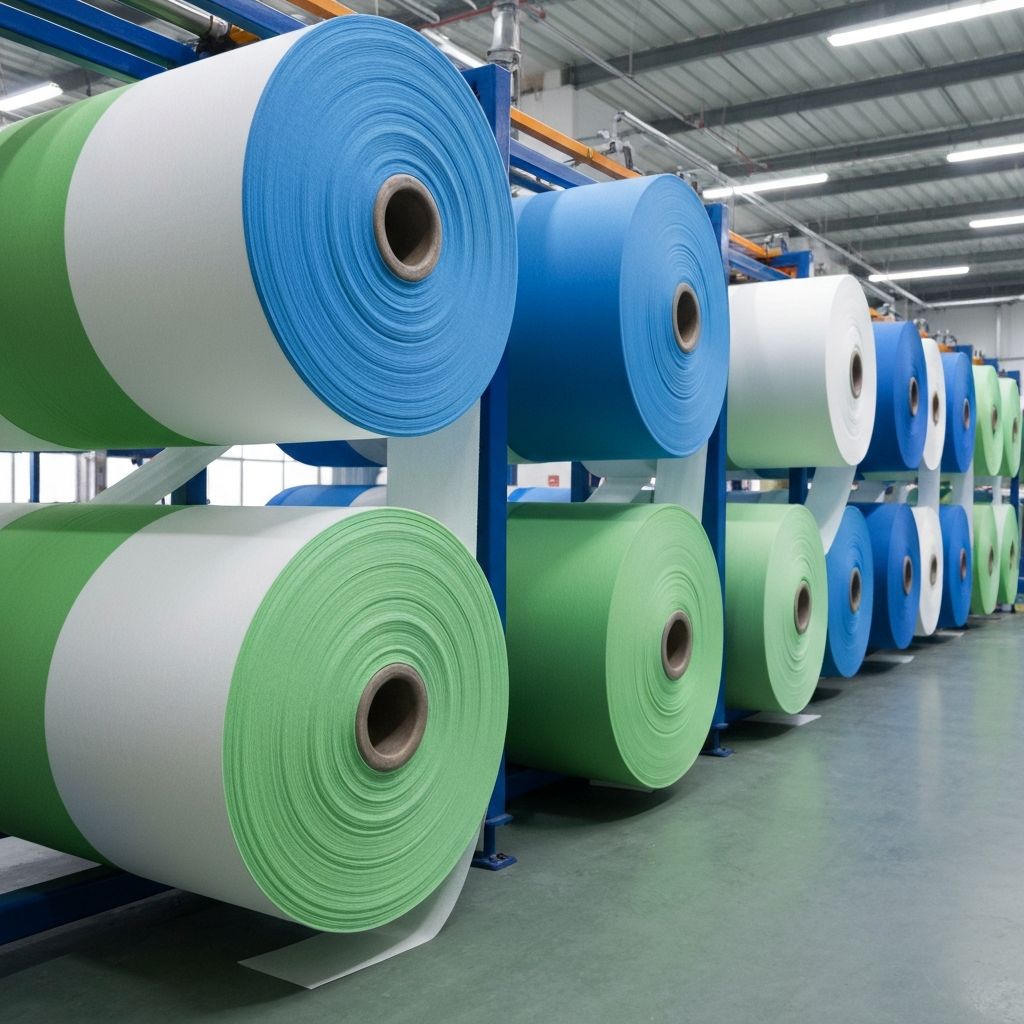
Non-Woven Fabrics
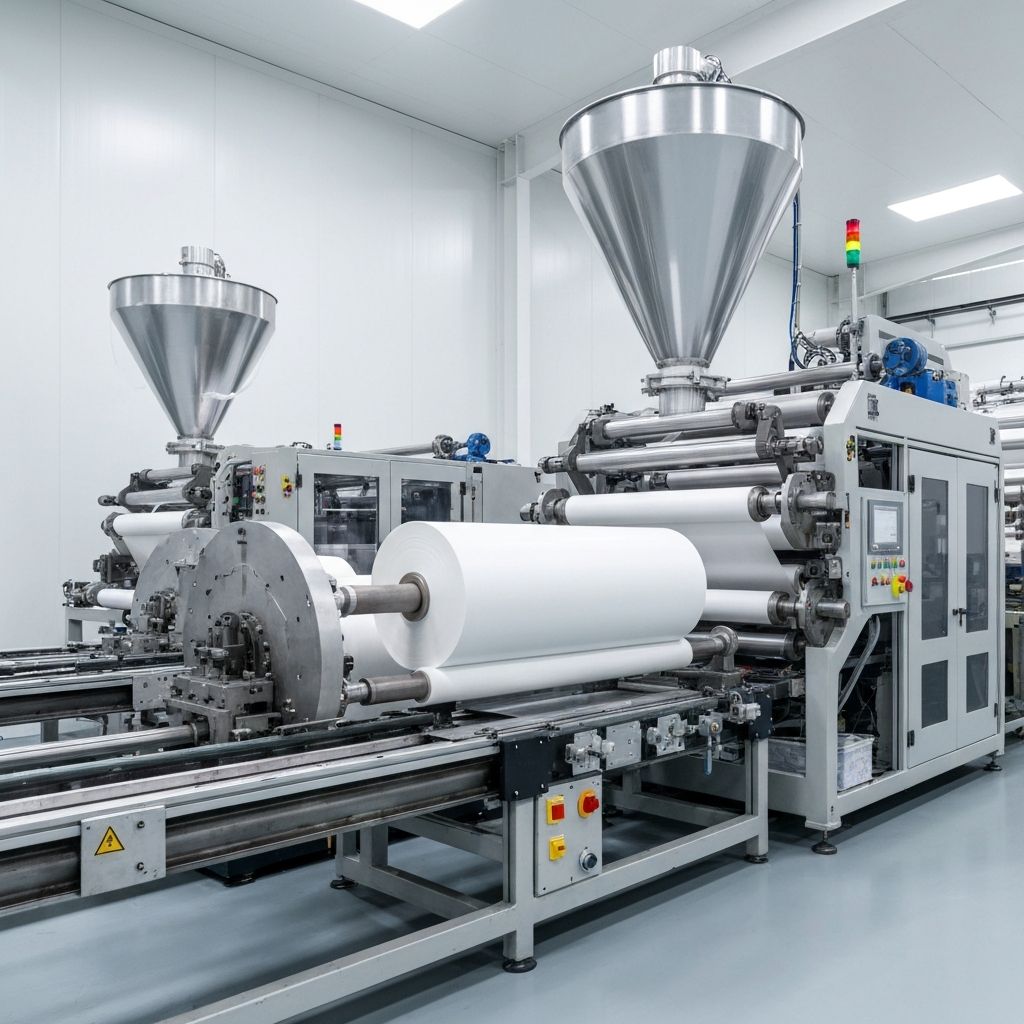
Industrial Films
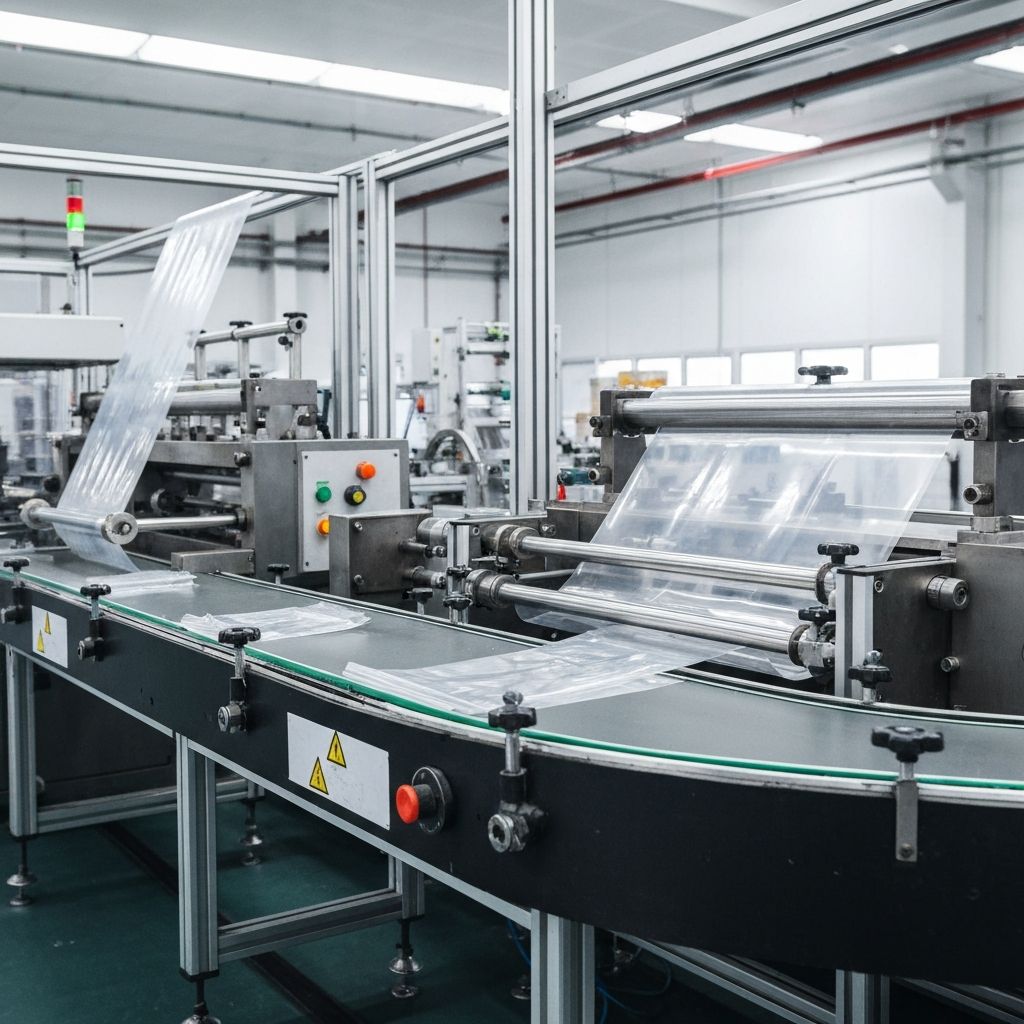
Consumer Packaging

Healthcare Applications
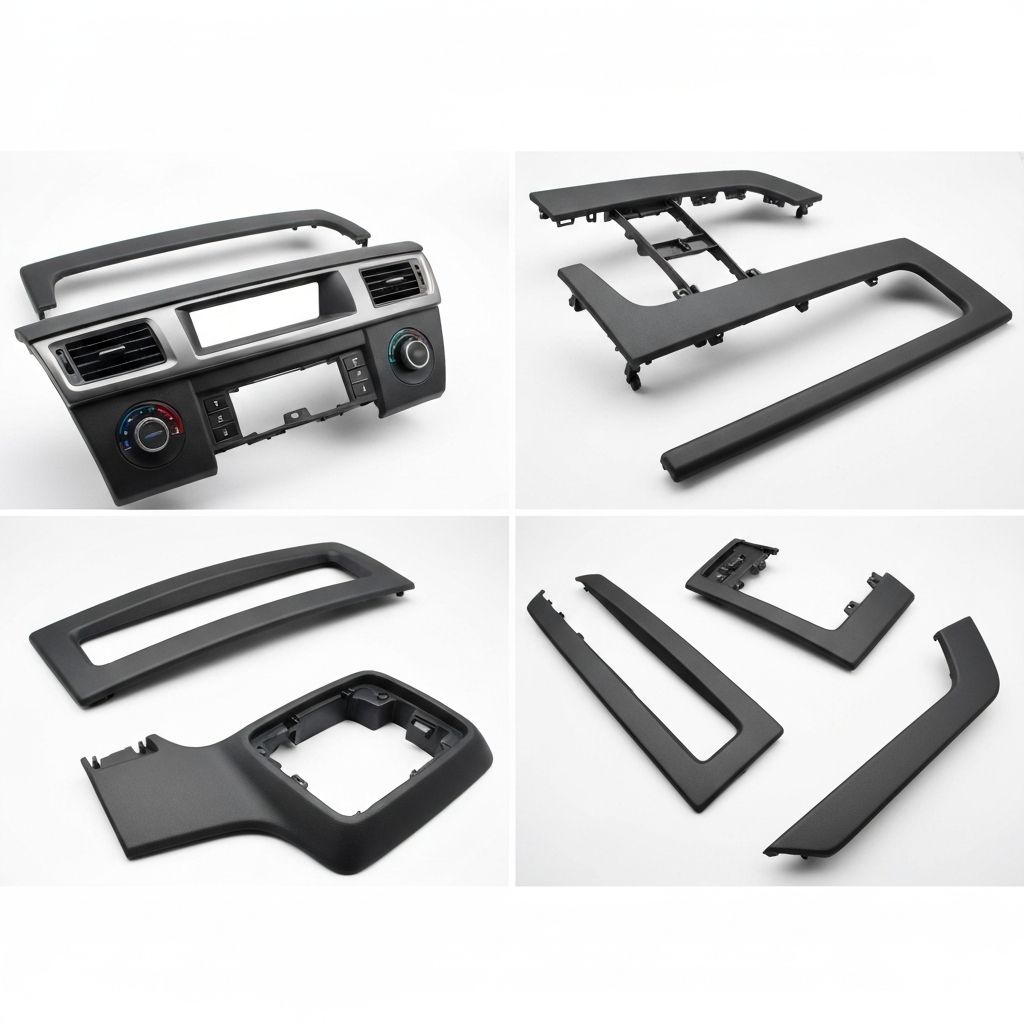
Military & Technical Components
| Grade | Application |
|---|---|
| AS PE1027 | Electrical Components, Non-Woven, Films |
It is a functional additive designed to control and reduce the buildup of electrostatic charges on polymer surfaces.